Published
March 17th, 2026
Competing Identity Projects and Political Polarization in Moldova
Written by: Natalia Sineaeva-Pankowska
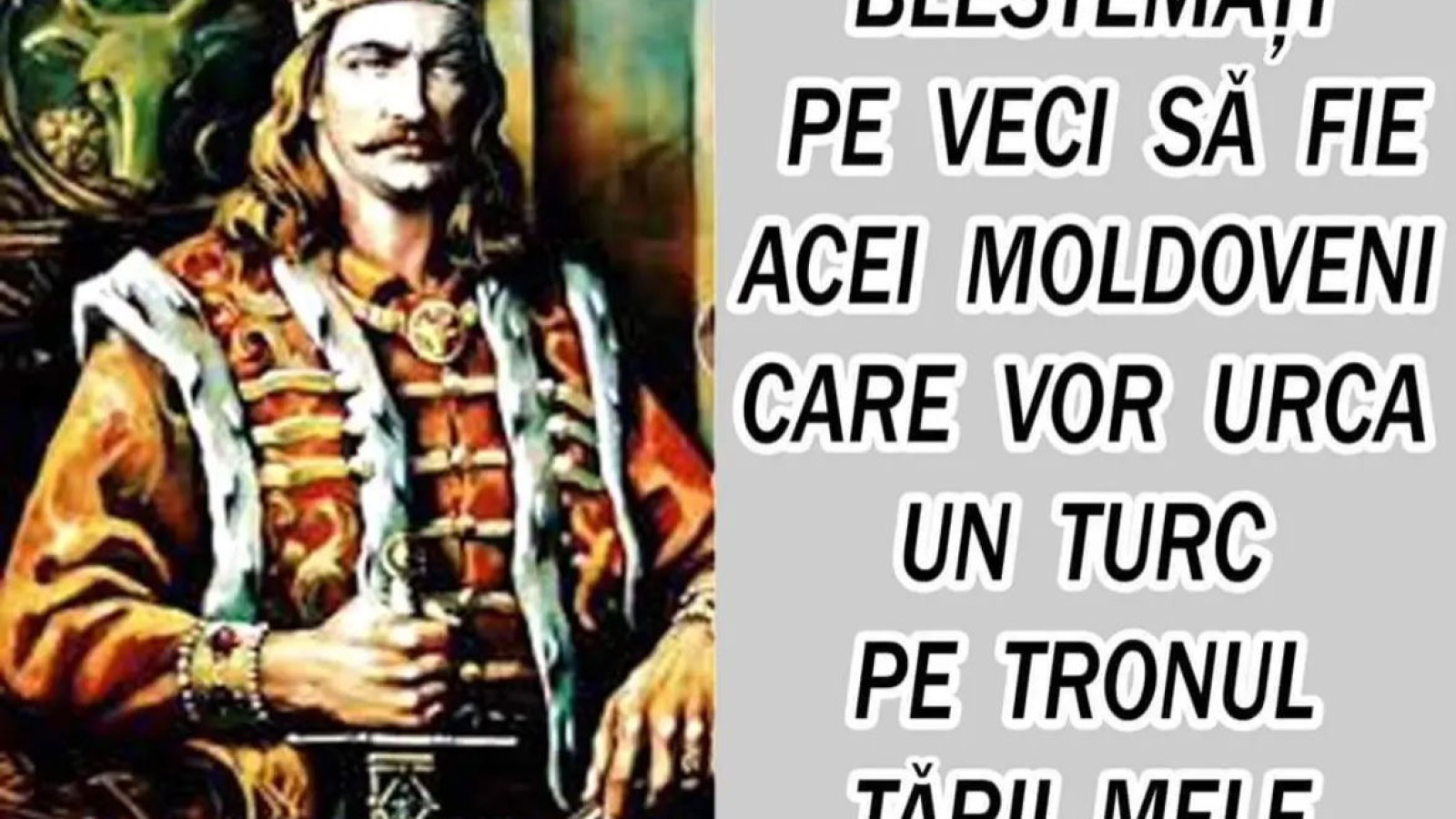
A false quote attributed to Moldova’s medieval ruler Stefan cel Mare was broadly disseminated online, including by public officials, journalists, and lawyers: “Cursed be those Moldovans who would place a Turk on the throne of my country.”
Image from Public domain, License Rega
Moldova is one of a few countries where national identity has been fragile and contested. As argued by Benedict Anderson, nations are “imagined communities”, constructed through competing narratives by political and cultural elites. In Moldova, historically, various groups have promoted different projects of national identity. Situated between Romania and Ukraine, Moldova has absorbed various cultural influences and narratives: Ottoman, Russian, Romanian, and Soviet, also being a kind of buffer zone between the West and Russia.
According to the 2024 population census, ethnic Moldovans constitute 76,7 %, Romanians 8 %, Ukrainians 6,6 %, Russians 3,4 %, Gagauz 4%, Bulgarians 1,6%, Roma 0,4% and others (Jews, Armenians, etc) 0,6 %. While sharing strong linguistic and cultural ties with Romania, the country remains divided over its geopolitical path – a division that has deepened since the escalation of the war.
The 2025 Parliamentary Landscape
The parliamentary elections of September 28, 2025, were held in the context of geopolitical tensions and accusations of external interference. While the pro-European Party of Action and Solidarity (PAS) secured a majority (50.20 per cent of votes or 55 seats), the opposition remains fragmented across identity and ideology lines, including the Patriotic Electoral Bloc (BEP), a coalition led by Socialists and Communists (24.20 per cent or 24 seats); Partidul Nostru (Our Party), a populist party (6.20 per cent or 6 seats); and Democrația Acasă (Democracy at Home), a pro-Romanian, ethno-nationalist party (5.62 per cent or 6 seats). The Alternativa bloc received 7.96 per cent (8 seats), a center-left pro-European bloc, which includes such political actors as the left Civil Congress, promoting a civic, pluralistic, and inclusive version of Moldovan identity.
Authorities stressed a coordinated effort by Moscow-based Moldovan oligarch Ilan Șor to destabilize the vote through disinformation campaigns, financed protests, and attempts to buy votes. However, the election campaign was also criticized for relying heavily on fear-based narratives and the dehumanization of political opponents and the socially vulnerable voters, most of whom did not support PAS. One of the ministers even called voters who do not support the party “bîdle” – that means like human animals or subhuman people in slang.
The Instrumentalization of “Traditional Values”
Anti-LGBTQ rhetoric has become a standard tool for political mobilization, often framed as a defense of “Christian Orthodox values”, including traditional family, against Western influence. European integration is often understood only in geopolitical and economic terms, and less attention is paid to human rights and democratic norms, promoted by such institutions as the Council of Europe. Therefore, political actors can both support European integration and ignore democratic norms that contradict it.
Partidul Nostru (Our Party) led by Renato Usatîi is a populist party that promotes social conservatism and a more “primordial” model of Moldovan identity (Moldovenism). In late 2025, the group faced legal action from the LGBT rights advocacy group Gender-Doc for inciting discrimination in its campaign materials.
Democrația Acasă is led by Vasile Costiuc, this party targets younger voters via TikTok. The party represents an ethno-national identity project, advocating the project of unification of Moldova and Romania. It has been described as right-wing populist and also declared itself as pro-European. The party maintains close ties with Romania’s far-right AUR party (Alianța Pentru Unirea Românilor) led by George Simion, mirroring their anti-LGBTQ and nationalist stance. Simion is an ally of the US MAGA movement of Donald Trump.
The Party of Socialists under former president Igor Dodon announced their intention to introduce legislation banning “LGBT propaganda” directed at minors and Pride marches, modelling its legal demands on Russian-style restrictions.
Xenophobia and the “Internal Other”
Even “pro-European” forces have not been immune to identity-based campaign tropes. During the 2024 presidential race and the 2025 parliamentary campaign, the PAS-led government faced criticism for failing to curb - or even benefiting from - xenophobic rhetoric. The primary target was the challenger to the incumbent president Maia Sandu, Alexandr Stoianoglo, a technocratic leader who belongs to the Gagauz minority.
Opponents used his ethnic origin to frame him as an outsider, a “non-Romanian” who should not lead the country. The Gagauz population is Christian Orthodox with Turkish roots. A false quote attributed to Moldova’s medieval ruler Stefan cel Mare was broadly disseminated online, including by public officials, journalists, and lawyers: “Cursed be those Moldovans who would place a Turk on the throne of my country.” This exemplifies how belonging to a minority group can be instrumentalised in election campaigns in Moldova amid widely accepted interethnic harmony.
Furthermore, while Moldova has been commended for welcoming a large number of Ukrainian refugees, the dominant narrative is shifting. Anti-refugee sentiments have begun to surface in media and social networks, often targeting the most vulnerable subgroups among the refugees, including Roma, Muslims, and Jews. This reflects broader structural weakness, as independent media remain very limited, parts of civil society often reluctant to criticize the government, and judicial reforms have faced delays and controversies.
The New Border Revisionism
The Moldova Mare (Greater Moldova) is a new fringe party, led by former prosecutor Victoria Furtună. It is perceived as pro-Russian and it represents a unique brand of irredentism. Unlike the pan-Romanian ethno-nationalist movement, which seeks to merge Moldova with Romania, Furtună’s party proposes an annexation of certain Romanian and Ukrainian territories into a “Greater Moldova” to gain access to the Black Sea. The territories constitute historical Budjak belonging to the Moldovan principality before its domination by the Ottoman Empire in the 16th century. The dangerous idea does not have much support in society. However it is for the first time when an official political party in Moldova reclaims territories. The party was banned from participation in the recent election.
Natalia Sineaeva-Pankowska is a Holocaust and genocide memory researcher and a representative of the NEVER AGAIN Association. In 2025 she co-founded the Minorities for Peace Initiative to support displaced minorities affected by the war, particularly from Ukraine and the Russian Federation.